
- Buy Crypto
- Markets
- Futures
- Spot
- Copy Trade
 Earn
Earn- More
Analysis of Recent Developments in the Cryptocurrency Market

Key Takeaways
- Recent changes in the cryptocurrency market have influenced investor sentiment and market dynamics.
- The integration of blockchain technology in various sectors continues impacting economic and technological landscapes.
- Regulatory discussions around cryptocurrencies remain a significant factor in market volatility.
- Different cryptocurrencies address various real-world issues, highlighting the diverse applications of blockchain technology.
WEEX Crypto News, 2025-12-18 15:08:33
Introduction
The cryptocurrency market is an ever-evolving landscape, characterized by rapid changes and significant technological advances. Over the years, blockchain technology has not only provided new investment opportunities but has also begun reshaping global economic systems. In this article, we delve into the complexities of recent developments within the cryptocurrency market while exploring how these changes impact both investors and the broader financial environment. By examining the influence of blockchain on various sectors and the ongoing regulatory discussions, we aim to provide a comprehensive overview that will engage both seasoned investors and newcomers alike.
The Rise of Blockchain and Its Diverse Applications
Blockchain technology, the backbone of cryptocurrencies, enables decentralized and secure transactions. This innovative system has been a game-changer in several industries, ranging from finance and healthcare to supply chain management. The core principle of blockchain revolves around creating a transparent and immutable ledger that can be accessed by multiple parties without the need for a central authority. This decentralization not only enhances security but also opens the door for numerous applications.
In finance, blockchain technology streamlines operations by facilitating faster and more secure transactions, reducing the need for intermediaries. For instance, cross-border payments traditionally involve multiple bank interactions, resulting in delays and high transaction costs. Blockchain offers an efficient alternative, enabling near-instant transfers with minimal fees. Similarly, in supply chain management, blockchain creates traceable and transparent processes that enhance accountability and efficiency. By tracking goods from origin to market, companies can ensure quality control and minimize fraud risks. The use of smart contracts further automates operations and enhances reliability, facilitating real-time updates and reducing the potential for human errors.
Market Fluctuations: Drivers and Impact
The ever-changing cryptocurrency market is shaped by several factors, including investor behavior, regulatory changes, and technological advancements. Price volatility remains a hallmark of the cryptocurrency market, influenced by speculative trading, global economic events, and regulatory announcements. For example, news of regulatory crackdowns in major markets often triggers sharp price movements, reflecting the uncertainties faced by investors. Conversely, technological advancements, such as improvements in blockchain scalability and security features, tend to bolster investor confidence and contribute to market growth.
Market fluctuation is also driven by the adoption rate of cryptocurrencies and blockchain technology in everyday transactions. Companies integrating these technologies into their operations influence market sentiment, potentially driving prices upward. Additionally, endorsements by key figures in the crypto industry or major financial institutions can lead to temporary surges in the value of cryptocurrencies. Such endorsements often signal increased legitimacy and acceptance of cryptocurrencies, encouraging wider adoption and attracting new investors. However, the reality of market dynamics is complex and requires ongoing analysis to anticipate potential risks and opportunities effectively.
Regulatory Landscape and Its Influence
The regulatory environment surrounding cryptocurrencies significantly impacts market dynamics. As blockchain technology and cryptocurrencies gain prominence, governments and financial bodies worldwide continue to grapple with creating a regulatory framework that ensures security and consumer protection. However, the decentralized nature of cryptocurrencies poses challenges for regulators seeking to implement effective oversight.
Regulatory developments often cause market volatility, as investors react to new restrictions or supportive policies. For instance, news of stricter regulations in a major market can lead to significant sell-offs, whereas regulatory endorsements or supportive policies can drive bullish sentiment. Some jurisdictions embrace cryptocurrencies by enacting supportive regulation that fosters growth and innovation, while others impose restrictions intending to curb potential misuse. A prime example is the European Union’s recent initiative to establish a comprehensive regulatory framework aimed at mitigating risks and facilitating innovation. This approach has sparked discussions about potential global regulatory standards and their implications for both market stability and innovation.
The Intersection of Cryptocurrencies and Traditional Finance
The growing interest in cryptocurrencies among traditional financial institutions marks a significant shift in the financial landscape. Several banks and investment firms have begun integrating blockchain technology into their operations, recognizing its potential to enhance efficiency and transparency. This trend signifies the convergence of traditional finance and digital assets, further blurring the lines between these previously distinct sectors.
Traditional banks are increasingly exploring blockchain-based solutions for cross-border transactions, enabling them to offer faster and cheaper services to their clients. Moreover, many financial institutions have started offering cryptocurrency-related products and services, such as digital asset custody and trading platforms. These developments pave the way for more widespread adoption of cryptocurrencies, ultimately driving market growth. As traditional financial entities continue to explore the use of blockchain, the potential for greater market stability and innovation increases. This convergence holds promise for reducing transactional costs, increasing the speed of financial transactions, and enabling broader access to financial services for individuals worldwide.
Technological Advances Shaping the Future
The ongoing evolution of blockchain technology promises to introduce new possibilities across various sectors. Innovations aimed at improving scalability, security, and energy efficiency are critical to overcoming limitations and driving acceptance. Furthermore, developments such as Layer 2 solutions, designed to enhance network throughput without compromising security, are gaining traction in the blockchain community.
Artificial intelligence (AI) is another technology intersecting with blockchain, presenting new opportunities for automation and smart decision-making. Combining AI with blockchain enhances the potential for improving processes in areas such as supply chains and financial services, creating smarter, more efficient systems. This integration has the potential to transform industries by providing insights through data analysis, streamlining operations, and boosting productivity.
Moreover, the exploration of quantum computing could have far-reaching implications for blockchain technology. While it poses potential security challenges, advancements in cryptographic methods are underway to ensure the resilience of blockchain systems against potential quantum attacks. By preparing for future technological advancements, the blockchain community can safeguard its networks and maintain the security and integrity that are fundamental to the successful operation of any blockchain-based system.
Conclusion
The cryptocurrency market is a dynamic and rapidly evolving environment. From technological advances to regulatory developments and the increasing intersection of cryptocurrencies and traditional finance, the market continues to shape and define new boundaries in the financial world. The diverse applications of blockchain technology in various sectors highlight its transformative potential, providing efficiencies and transparency across industries. As the landscape continues to evolve, investors and stakeholders must remain informed about the changes shaping this exciting frontier.
Frequently Asked Questions (FAQs)
What drives volatility in the cryptocurrency market?
Volatility in the cryptocurrency market is driven by numerous factors, including investor sentiment, regulatory announcements, technological advancements, and macroeconomic events. Speculative trading and market speculation also play significant roles in price fluctuations.
How does blockchain technology benefit traditional financial institutions?
Blockchain technology provides traditional financial institutions with faster and more cost-effective transaction processes. It enhances transparency and security, offering improved operational efficiencies and innovative services such as blockchain-based cross-border payments and smart contracts.
What is the current regulatory situation for cryptocurrencies?
The regulatory landscape for cryptocurrencies varies widely across different jurisdictions. Some regions impose strict regulations to prevent misuse, while others support growth and innovation, reflecting a complex and evolving regulatory framework globally.
What role does artificial intelligence play in blockchain technology?
Artificial intelligence enhances blockchain technology by facilitating automation, improving data analysis, and enhancing decision-making processes. AI interacts with blockchain systems to streamline operations and provide valuable insights across various sectors.
How is quantum computing expected to impact blockchain security?
Quantum computing poses potential security challenges to current blockchain cryptographic methods. As a response, the blockchain community is exploring new cryptographic techniques to ensure resilience against future quantum attacks, aiming to preserve system integrity and security.
You may also like

Introducing Tria: Complete Guide to $TRIA and Airdrop Opportunities
Tria is a self-custodial next-generation bank integrating spending, transactions and earnings capabilities across 150+ countries at minimal fees, powered by BestPath. Learn its tokenomics, ecosystem impact, and how to claim free tokens in the WEEX $50,000 Tria airdrop before Feb.10, 2026!
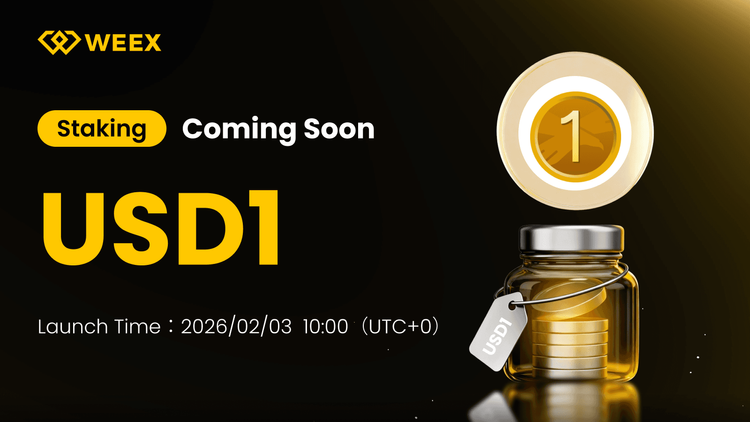
WEEX Staking USD1: Complete Guide
WEEX will officially launch USD1 Staking on 2026/02/03 10:00 UTC+0 .
Users can participate in staking directly on the WEEX platform and earn Staking rewards by holding tokens.

What Is WAR Coin Crypto? WAR Price Analysis, 2026 Outlook, and Where to Buy
What is WAR coin crypto? Explore WAR token price trends, 2026 price prediction, and where to buy WAR coin safely as a Solana narrative-driven memecoin.

What is 4Ball (4BALL) Coin?
With digital currencies ever-evolving, it’s always exciting to hear about new listings in the crypto space. On February…

What is Echelon (ECHELON) Coin?
We are excited to announce that Echelon (ECHELON) is now available for trading on WEEX, with the ECHELON/USDT…

4BALL/USDT Launches on WEEX: 4Ball (4BALL) Listing
As a seasoned crypto trader with years of spotting blockchain gems on platforms like CoinMarketCap, I’m excited about…

ECHELON USDT Debuts on WEEX: Echelon (ECHELON) Spot Listing
WEEX Exchange has officially listed the ECHELON/USDT trading pair, opening up new opportunities for crypto traders to engage…

4BALL Coin Price Prediction & Forecasts for February 2026: New Listing Sparks Potential Rally After 15% Initial Surge
4BALL Coin, the innovative token behind the first Snowball mechanism on the Four.Meme platform, just went live on…

ECHELON Coin Price Prediction & Forecasts for February 2026: Could It Surge 50% Amid DeFi Lending Boom?
As a fresh entrant in the crypto space, ECHELON Coin has quickly drawn attention following its listing on…
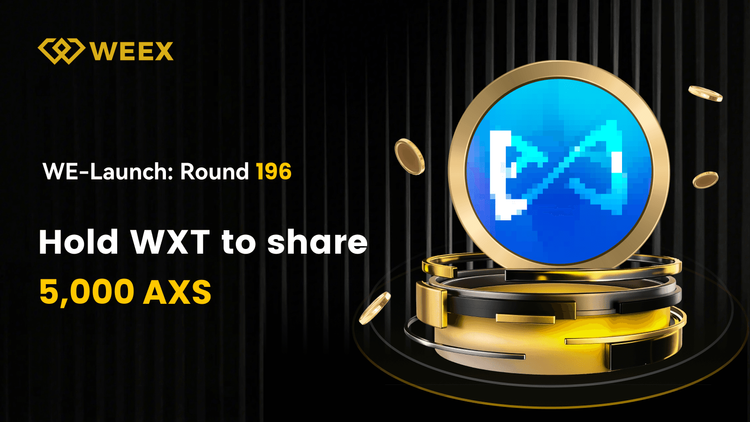
WEEX WE-Launch: Get AXS Tokens Now – Exclusive Airdrop for First-Time Participants
WE-Launch is WEEX's innovative token launch and reward distribution platform designed to benefit the exchange's community. Unlike traditional airdrops that require complex participation, WE-Launch simplifies the process: users commit WXT tokens to share in project rewards without locking funds or navigating complicated procedures.
Introducing Zama: Complete Guide to $ZAMA and Airdrop Opportunities
Zama's fhevm is a cross-chain protocol that leverages fully homomorphic encryption (FHE) to enable confidential smart contracts on any L1/L2. Cross-chain FHE confidential smart contracts, end-to-end encryption, privacy-preserving composability on any blockchain. Learn its tokenomics, ecosystem impact, and how to claim free tokens in the WEEX $50,000 Zama airdrop before Feb.09, 2026!

Where to Buy Usor Crypto in 2026? Step-by-Step Guide for Beginners
USOR (United States Oil Reserve) is a Solana-based cryptocurrency that represents narrative-driven exposure to energy market themes. However, a crucial distinction must be understood: USOR is NOT a tokenized oil barrel and has NO official connection to U.S. government oil reserves. It's a speculative digital asset that leverages energy market narratives within the crypto space.

How to Quickly Start Futures Trading on WEEX: A Zero-Barrier Beginner's Guide
Futures trading on WEEX exchange has never been more accessible. With low minimums, intuitive design, and robust educational resources, beginners can start trading confidently in minutes—not months.
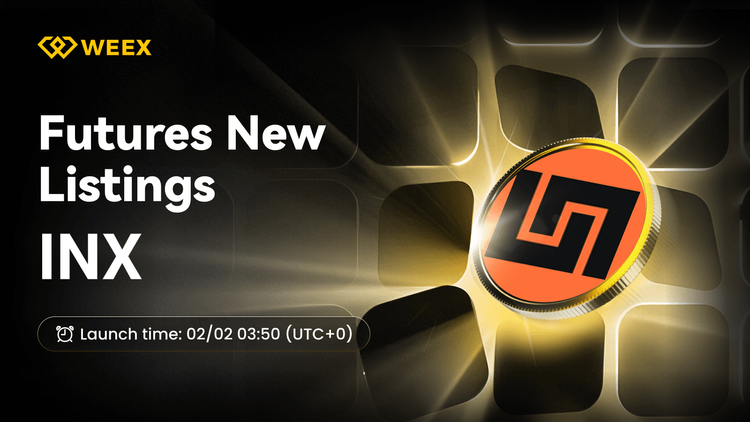
INX USDT Futures Listing: Trade Insight Protocol (INX) on WEEX
WEEX lists Insight Protocol (INX) Coin. Trade the INX USDT perpetual contract on WEEX Exchange with up to 20x leverage and deep liquidity.

WEEX Futures New Listing: XPD/USDT and XPT/USDT Perpetual Contracts
Trade Palladium (XPD) Coin and Platinum (XPT) Coin on WEEX. New XPD USDT and XPT USDT perpetual contracts now live on WEEX Exchange for professional trading.
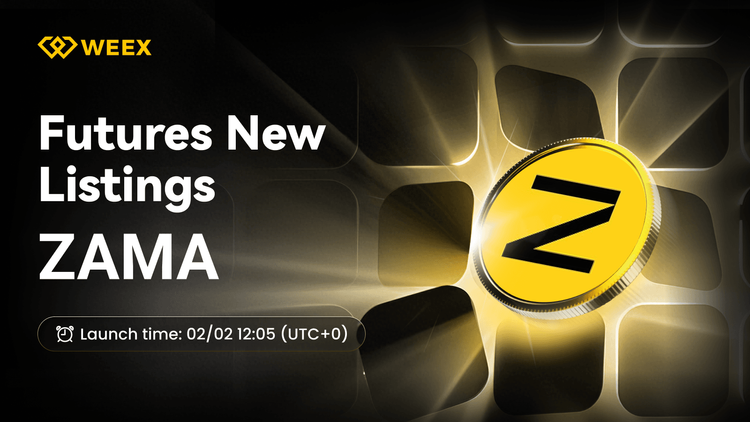
WEEX to List ZAMA and Launch ZAMA USDT Perpetual Contract
Trade Zama (ZAMA) Coin on WEEX Exchange. ZAMA USDT Perpetual Contract is now live with up to 20x leverage. Experience secure FHE privacy trading on WEEX.
ECHELON USDT Listing: WEEX Futures Adds Echelon
Trade Echelon (ECHELON) Coin and ECHELON USDT on WEEX Exchange. Our new futures listing features the ECHELON USDT perpetual contract with up to 20x leverage.
DONT USDT Futures: WEEX Lists DONT Perpetual Swap
WEEX Futures officially lists Don't (DONT) Coin. Start trading the DONT USDT perpetual contract on a secure, top-tier exchange with high liquidity.
Introducing Tria: Complete Guide to $TRIA and Airdrop Opportunities
Tria is a self-custodial next-generation bank integrating spending, transactions and earnings capabilities across 150+ countries at minimal fees, powered by BestPath. Learn its tokenomics, ecosystem impact, and how to claim free tokens in the WEEX $50,000 Tria airdrop before Feb.10, 2026!
WEEX Staking USD1: Complete Guide
WEEX will officially launch USD1 Staking on 2026/02/03 10:00 UTC+0 .
Users can participate in staking directly on the WEEX platform and earn Staking rewards by holding tokens.
What Is WAR Coin Crypto? WAR Price Analysis, 2026 Outlook, and Where to Buy
What is WAR coin crypto? Explore WAR token price trends, 2026 price prediction, and where to buy WAR coin safely as a Solana narrative-driven memecoin.
What is 4Ball (4BALL) Coin?
With digital currencies ever-evolving, it’s always exciting to hear about new listings in the crypto space. On February…
What is Echelon (ECHELON) Coin?
We are excited to announce that Echelon (ECHELON) is now available for trading on WEEX, with the ECHELON/USDT…
4BALL/USDT Launches on WEEX: 4Ball (4BALL) Listing
As a seasoned crypto trader with years of spotting blockchain gems on platforms like CoinMarketCap, I’m excited about…


 App
App